
Clinton County Criminal Court Cases
Clinton County felony, misdemeanor, traffic, and municipal-ordinance matters all run through the unified Illinois Circuit Court in the Fourth Judicial Circuit. No separate municipal-court portal was verified for Breese, New Baden, or Carlyle. Once prosecutors file a charge, the Circuit Clerk becomes custodian of the court file. The clerk maintains the case number, docket, charging instrument, appearances, orders, judgment, sentence, and assessments.
A court file answers a different question than a police report. The report records an agency's investigation; the docket records what prosecutors filed and what the judge decided. A booking charge may change before filing. For that reason, use the charging instrument and final judgment when identifying the formal charge and outcome.
Judici and re:SearchIL Compared
re:SearchIL is Illinois's Statewide Document Repository, while Judici is the Clinton County public index linked from local official pages. They are not interchangeable. Access controls, registration, document availability, and coverage can differ. A missing item in either system is not proof that no case exists.
The Illinois Courts courthouse directory confirms the clerk and building details. When either online service fails, call the clerk with a name, approximate filing period, and case type. The clerk can explain whether the file is indexed differently, archived, sealed, or available only at the counter.
The Circuit Clerk's official page introduces the local record gateway shown below. That source ties the online index back to the office responsible for the original file.
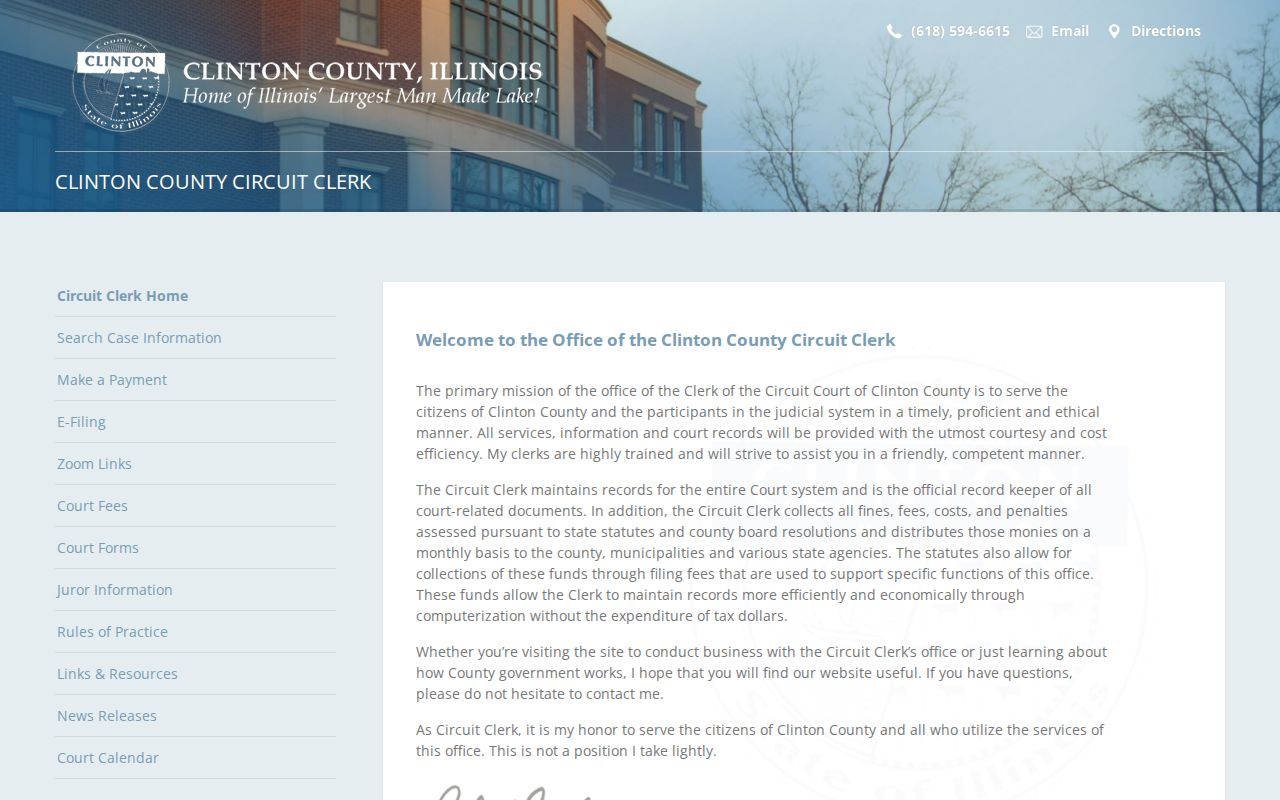
The image reinforces a key rule: confirm any online result with the Clinton County custodian when accuracy or certification matters.
Clinton County Room 220 Files
The actual Clinton County criminal case file is available through the Circuit Clerk at 850 Fairfax Street, Room 220, Carlyle, Illinois 62231. The counter is posted open Monday through Friday, 7:30 a.m. to 4 p.m. Call 618-594-6615 or email circlerk@clintonco.illinois.gov. Give the case number whenever possible. Ask whether the desired pleadings and orders are imaged, whether an old volume is archived, and what the current plain-copy or certified-copy charge will be.
Clinton County Circuit Clerk
850 Fairfax Street, Room 220
Carlyle, IL 62231
618-594-6615
Monday-Friday, 7:30 a.m.-4 p.m.
The courthouse also has an e-filing kiosk with a scanner and printer. Its third-floor law library sits outside Courtroom B, with access through security. These services help readers move beyond a bare index result.
Searching Clinton County Case Records
Begin with the Clinton court page on Judici. It is the public index linked by both the clerk and Illinois Courts. A CAPTCHA blocked a responsible inventory of its current controls during research, so the table below distinguishes confirmed access from fields that must be checked live. Do not assume an unverified date range or that every document can be opened online.
- Open the official-linked Clinton County Judici page and complete its access check.
- Use a known case number first; otherwise use the available party-name controls shown live.
- Confirm that the county and case type match the matter sought.
- Read each docket event by date, without treating a pending charge as a result.
- Contact Room 220 for documents, archived material, or certification.
| Field Label | Type | Required | Notes |
|---|---|---|---|
| Party name | Live interface | Unverified | Check spelling and identity markers shown by Judici. |
| Case number | Live interface | Unverified | Best key for a known Clinton County case. |
| Case type or year | Live interface | Unverified | Use only controls displayed by the current page. |
| CAPTCHA | Access control | Yes when shown | Automated inspection was blocked. |
Inside a Clinton County Case File
A Clinton County court file follows the prosecution rather than the whole criminal-history cycle. The charging document states the offense filed in court. Docket entries mark hearings and orders. The disposition records how the charge ended. Sentence papers state the court's terms. Some personal identifiers, victim information, juvenile material, and sealed content may be withheld.
| Case Number & Court | Identifies the Clinton filing and Circuit Court division. |
|---|---|
| Charging Document | Shows the formal count filed by the State's Attorney. |
| Docket Entries | Chronological notices, appearances, motions, and rulings. |
| Hearing Dates | Scheduled and completed court events. |
| Disposition & Judgment | Records dismissal, acquittal, plea, or conviction. |
| Sentence & Conditions | States custody, probation, supervision, fines, and court conditions. |
Reading Clinton Court Outcomes
Several short terms change the meaning of a docket. “Pending” means the case has not reached a final result. “Nolle prosequi” means prosecutors chose not to proceed on that count. A dismissal and an acquittal are not convictions. Court supervision, when completed successfully, is not a conviction, yet the record may remain visible until statutory relief applies.
- Arraignment
- The hearing at which the accused is informed of filed charges and enters a plea.
- Disposition
- The recorded outcome of a count or case.
- Supervision
- A court outcome that avoids a conviction after successful completion but does not erase the file by itself.
- Certified copy
- A clerk-authenticated copy used when proof of the official court result is needed.
Illinois's SAFE-T Act replaced the former cash-bail model with pretrial release or detention decisions. Recent Clinton County dockets may therefore contain petitions, findings, and orders about release rather than a cash bond to post.
How a Criminal Case Moves
The record begins in court when an information or indictment is filed, not when police first make an arrest. Initial appearance and a release or detention ruling may come first. Arraignment frames the formal counts and plea. Motions and discovery follow. A negotiated plea or trial produces a judgment; sentencing and later postjudgment or appeal activity may add more entries.
Case flow: Charges Filed › Arraignment › Pretrial › Plea or Trial › Disposition › Sentencing
Each stage can produce multiple documents. The docket is a roadmap, while the signed order controls. If an entry is unclear, request the document named in that line instead of drawing a conclusion from the shorthand alone.
Clinton Prosecutor and Defender Records
The Clinton County State's Attorney decides which charges to file, amend, add, or dismiss. That explains why an arrest charge can differ from the court charge. The prosecutor's office is at the courthouse and can be reached at 618-594-6645, but the Circuit Clerk remains the source for the public court file.
The Clinton County Public Defender is in Room 124 and lists 618-594-6640. Appointment and defense work are distinct from public docket custody. Privileged communications and work product do not become public merely because a docket exists.
The official State's Attorney page shown below helps distinguish the charging office from the recordkeeping office.
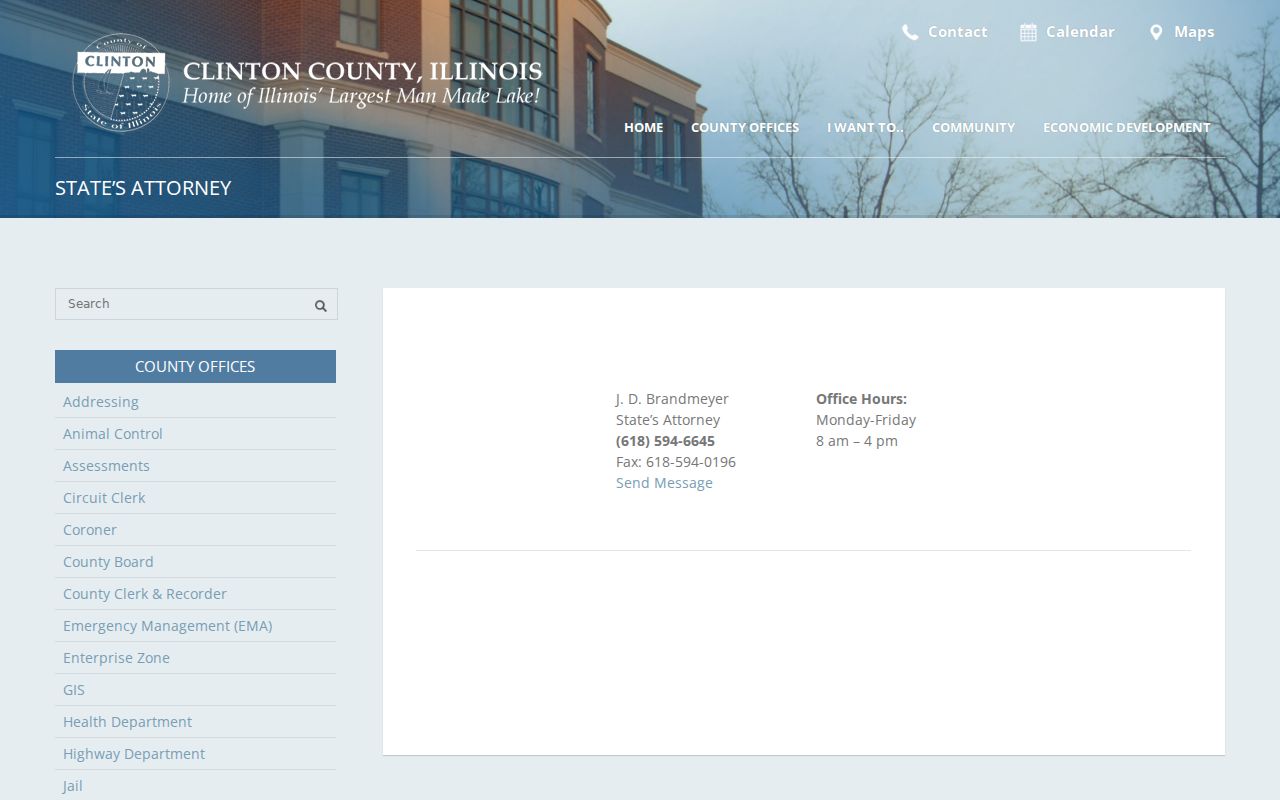
Use that office for prosecution-specific questions and the clerk for filed court documents.
The county's Public Defender page likewise identifies the defense office.
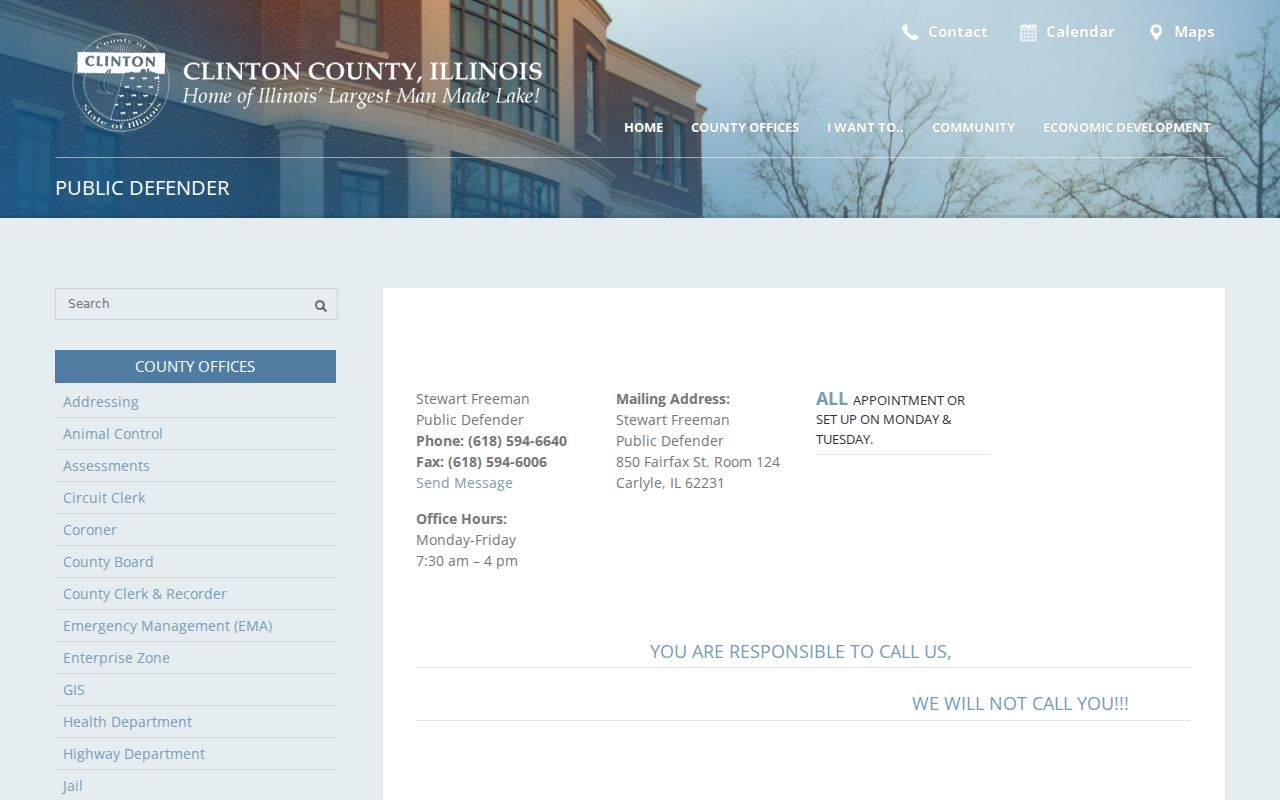
Its role matters in a case, but it is not a public case-search portal.
Missing and Older Clinton Files
A blank online result has several possible causes. The name may be spelled differently, the case may be indexed under a number, the filing may be too new to appear, or an older paper file may sit in archives. The matter could also belong to another county. New Baden crosses into St. Clair County, so the county printed on a citation or charging paper matters. Sealing and expungement can lawfully remove a case from ordinary public view.
Start by checking the Clinton Judici interface shown here.
The CAPTCHA must be completed live, and uninspected search fields should never be invented.
Next compare the statewide repository entry point. The re:SearchIL page shown below is a separate channel with its own access limits.
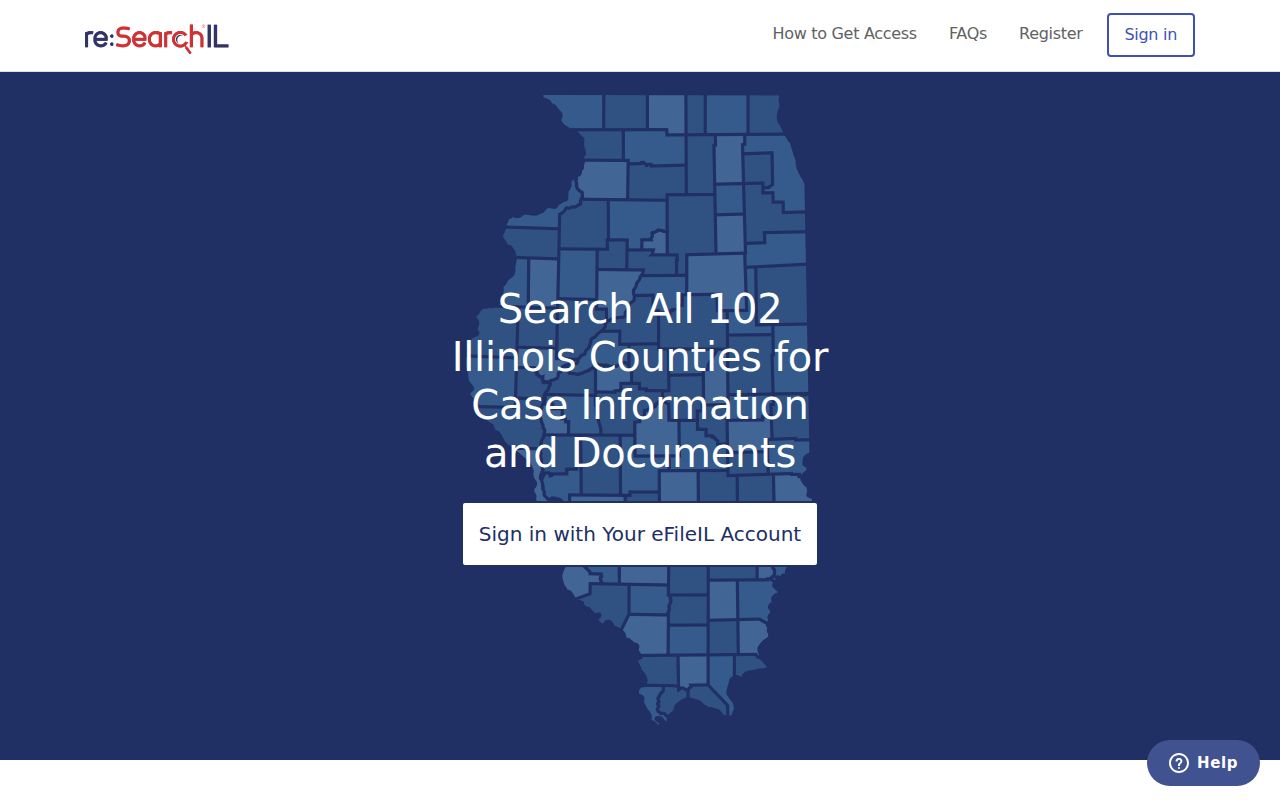
Neither system overrides the clerk-held original. Give Room 220 the person's name, approximate filing year, and case type. Ask whether an old file is archived and whether orders or pleadings are imaged. Confirm the copy and certification price before ordering because a complete criminal fee schedule was not exposed in the reviewed public pages.
The Illinois Courts directory shows the courthouse access information.
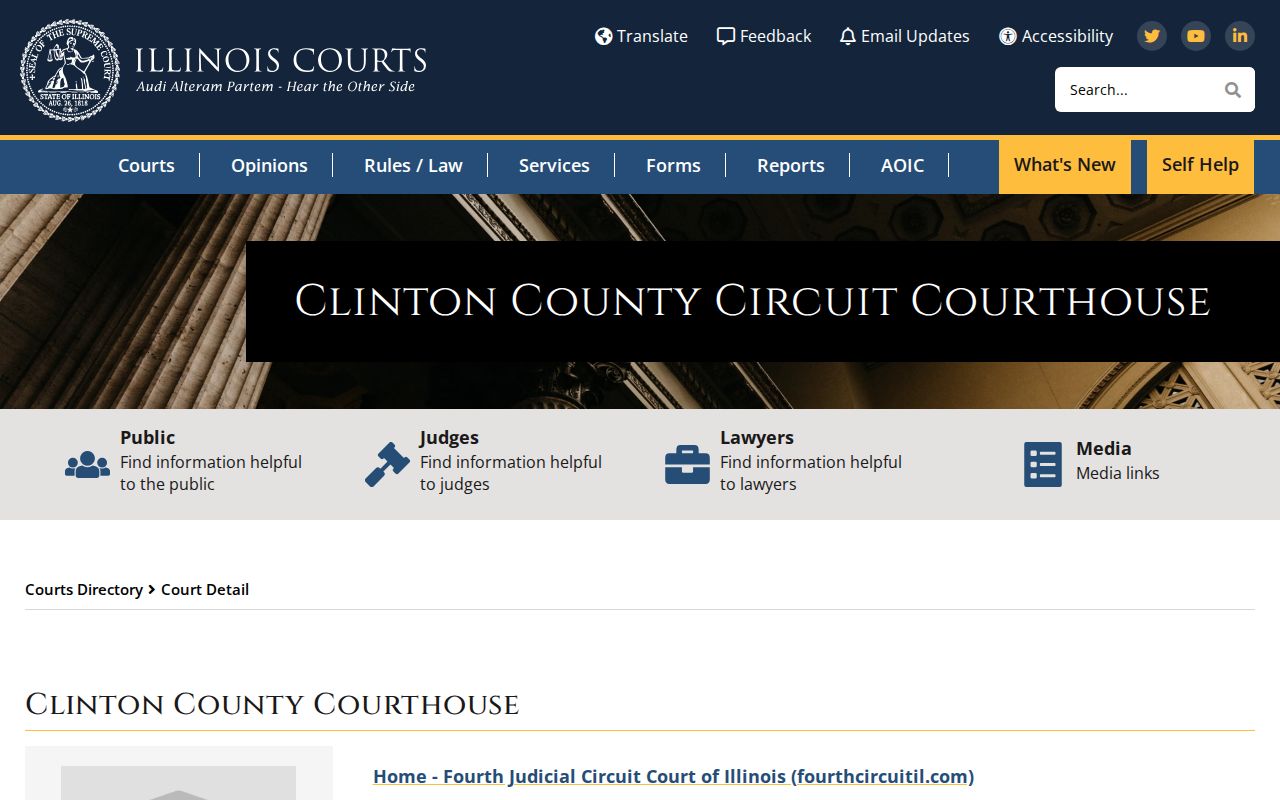
Free street parking surrounds the courthouse, with another free lot one block west. South Central Transit takes reservations at 800-660-7433. Security does not store prohibited recording devices or weapons, so call before arrival if the published device rules appear to conflict.
Clinton Criminal Dockets Versus Rap Sheets
A docket follows one Clinton County court case. A rap sheet groups reported identity-based events across a wider jurisdiction. The docket may contain motions, orders, and the precise signed judgment that a public conviction inquiry omits. Conversely, a single Clinton file cannot show cases from every Illinois county or federal court. Match the source to the question and preserve the case number.
Case Record Access & Restrictions
Illinois court records are generally open, but access is not unlimited. Juvenile files, expunged or sealed matters, protected victim and minor details, personal identifiers, and some active-investigation material may be hidden or redacted. An online display can also be narrower than the clerk's public paper file.
If a Clinton County case does not appear, verify spelling, case number, filing county, and whether enough filing time has passed. Then ask Room 220 whether the record is archived or restricted. A no-result screen is not a legal finding that the case never existed.
For personal review, genealogy, or understanding a proceeding, cite the case number, document title, and access date. Return to the clerk whenever the index and an official order appear to conflict.